Georgia’s warm and humid climate encourages algae, mold, and mildew to grow on roofing materials. During the spring, pollen from pine trees, oak trees, and other plants blankets rooftops across the state. Rain may wash some pollen away, but much of it sticks to shingles and mixes with dust and organic debris.
This buildup traps moisture against the surface of the roof. Moisture allows algae to grow, which often appears as long black streaks running down the shingles. These streaks typically come from a type of algae called Gloeocapsa magma.
Although algae stains may begin as a cosmetic issue, they can shorten the lifespan of shingles over time. The organisms trap moisture against roofing materials and may accelerate deterioration if you ignore the problem. Spring cleaning helps remove this buildup before it causes long-term damage.
Roof Cleaning Do’s for Georgia Homeowners
Spring roof cleaning requires the right approach to remove organic buildup while protecting shingles and surrounding landscaping. Following proper cleaning practices helps you maintain the roof without accidentally causing damage.
Do Inspect Your Roof Before Cleaning
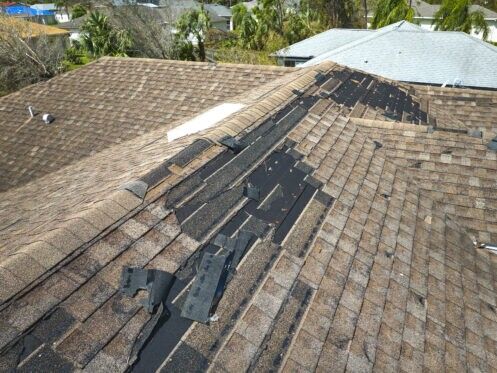
Before starting any cleaning process, you should carefully inspect the roof from the ground. Look for dark streaks, moss patches, debris buildup, or missing shingles that may require attention. A simple inspection allows you to identify problem areas and determine how extensive the cleaning process should be. It can also reveal small issues, such as loose flashing or damaged shingles, that need repairs before cleaning begins.
Cleaning a roof without addressing existing damage can worsen the problem. Identifying these issues early protects the
roofing system and helps you to avoid additional repairs.
Do Use a Soft-Wash Cleaning Method
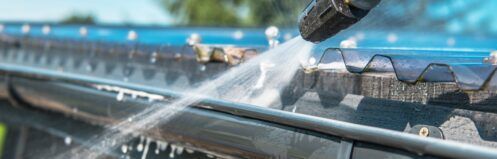
Soft washing provides one of the safest methods for cleaning residential roofs. This technique uses low-pressure water combined with cleaning solutions that break down algae, pollen, and organic buildup.
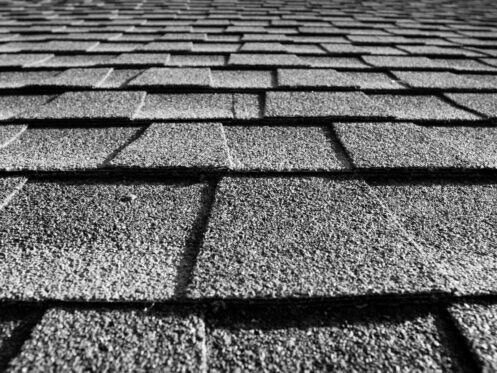
The cleaning solution loosens contaminants while the gentle rinse removes residue without harming the shingles. Since the process avoids high pressure, it protects the protective granules that cover asphalt shingles. Soft washing also helps eliminate algae spores that contribute to roof streaks. Removing these spores can slow future algae growth and keep the roof cleaner for longer periods.
Do Clean Gutters and Drainage Areas
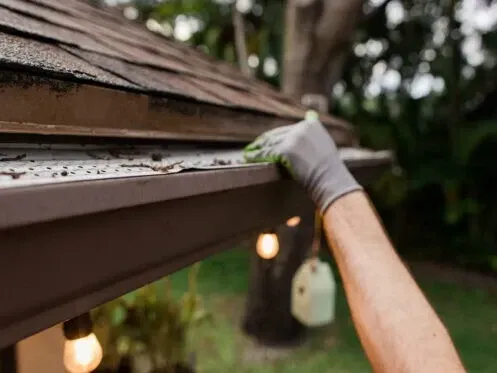
Roof cleaning should always include gutter maintenance. Leaves, pollen, and debris often collect inside gutters during the winter and early spring. Clogged gutters prevent rainwater from draining properly. When water backs up along the roof edge, it can seep beneath shingles and create moisture issues. Cleaning gutters allows rainwater to flow freely away from the roof. Clear drainage also prevents debris from washing back onto the roof during storms.
Do Protect Landscaping During Cleaning
Roof-cleaning solutions can run off the roof and reach nearby landscaping. Always take steps to protect plants, grass, and flowers before beginning the cleaning process. Rinsing plants with water before cleaning helps dilute any solution that may drip onto leaves or soil. After cleaning the roof, rinsing the landscaping again removes any remaining residue. These simple precautions protect outdoor plants while still allowing effective roof cleaning.
Do Trim Overhanging Tree Branches
Tree branches that hang over a roof create shade that allows moisture to linger longer after rain. Damp conditions encourage algae growth and allow pollen and debris to accumulate more easily. Trimming overhanging branches increases sunlight exposure on the roof surface. Sunlight helps dry moisture more quickly and discourages algae growth. Tree trimming also reduces the amount of leaves and debris that fall onto the roof. Less debris means fewer opportunities for organic buildup.
Do Schedule Regular Roof Maintenance
Routine roof maintenance helps prevent heavy buildup from developing in the first place. You should inspect your roof at least once or twice each year to monitor algae growth and debris accumulation. Professional roof-cleaning services can also help maintain a consistent maintenance schedule. Our technicians use safe cleaning methods that protect shingles while removing buildup.
Roof Cleaning Don’ts That Can Damage Your Roof
While roof cleaning can improve the appearance and health of a roof, certain cleaning techniques can cause serious harm. Avoiding common mistakes protects roofing materials and prevents costly repairs.
Don’t Use High-Pressure Washing
Pressure washing remains one of the most damaging roof cleaning methods. Although it may remove stains quickly, high-pressure water can strip away the protective granules that cover asphalt shingles. These granules protect shingles from ultraviolet radiation and harsh weather conditions. Once they wash away, the shingles become more vulnerable to cracking and deterioration. Pressure washing can also loosen shingles or force water underneath them, which increases the risk of leaks. Soft washing provides a much safer alternative.
Don’t Scrub Shingles With Stiff Brushes
You can attempt to scrub algae stains from shingles using stiff brushes or abrasive tools. This method can damage the surface of the shingles and loosen protective granules. Scrubbing too aggressively may weaken roofing materials and shorten the roof’s lifespan. Instead, cleaning solutions should break down algae and debris naturally before rinsing. Allowing the cleaning solution to do the work protects the shingles from unnecessary wear.
Don’t Ignore the Cause of Black Streaks
Black streaks on shingles usually indicate algae growth rather than simple dirt. Rainwater carries algae spores downward across the roof, which creates the long streak patterns visible from the ground. If you ignore algae buildup, the organisms will continue spreading across the roof surface. Algae traps moisture against the shingles and may accelerate deterioration over time. Removing algae early prevents it from covering larger areas of the roof and helps preserve the roofing material.
Don’t Walk on the Roof Without Proper Safety
Climbing onto a roof without proper safety equipment can create serious hazards. Roofs often become slippery due to algae, moss, or moisture, especially during spring. Walking across shingles can also cause damage. The weight of foot traffic may crack older shingles or loosen them from their position. Always avoid roof cleaning yourself. Professional roof cleaners have the equipment and experience necessary to complete the job safely.
Keep Your Georgia Roof Clean and Protected This Spring
Spring weather in Georgia creates the perfect conditions for pollen buildup, algae growth, and black roof streaks. While these issues may start as cosmetic concerns, they can eventually affect the lifespan and performance of roofing materials. At Greater American Roofing, we have been cleaning and protecting roofing in the Alpharetta area for decades. Contact us today for a
roof inspection.