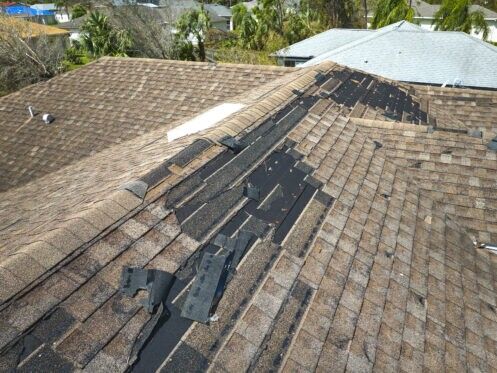
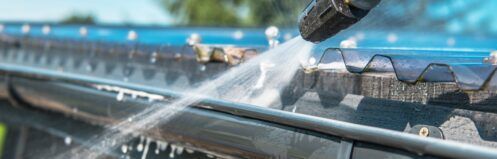
Spring weather often includes repeated rainstorms, fluctuating temperatures, and strong winds. These conditions place extra stress on roofing materials. Water can accumulate along roof seams and flow toward areas where the roof meets other structures. Flashing protects these vulnerable areas by directing water away from seams and joints. When flashing works correctly, rainwater flows safely down the roof and into the
gutter system. If flashing becomes loose, rusted, or improperly sealed, water can seep beneath the roofing materials.
Spring storms may not cause the flashing failure itself. Instead, the rain simply exposes weaknesses that have developed over time. Detecting these problems early prevents water from penetrating the roof structure and causing interior damage.
What Roof Flashing Does
Flashing acts as a waterproof barrier in areas where shingles alone cannot prevent water intrusion. Roofers typically install flashing wherever two different building surfaces meet. Common flashing locations include areas around chimneys, skylights, roof valleys, dormers, and vertical wall intersections. Each of these locations creates a joint where water naturally collects and flows during rainfall.
Flashing usually consists of metal materials such as aluminum, galvanized steel, or copper. We shape these metal pieces to fit tightly along the joint between roofing materials and structural surfaces. When installed properly, flashing directs water away from seams and toward the roof surface where it can drain safely. Without flashing, rainwater could easily seep through these joints and enter the roof deck.
Chimney Flashing Problems to Watch For
Chimneys create one of the most common locations for flashing failures. Since chimneys extend vertically through the roof, we must install several flashing components to seal the surrounding area.
Loose or Separated Flashing
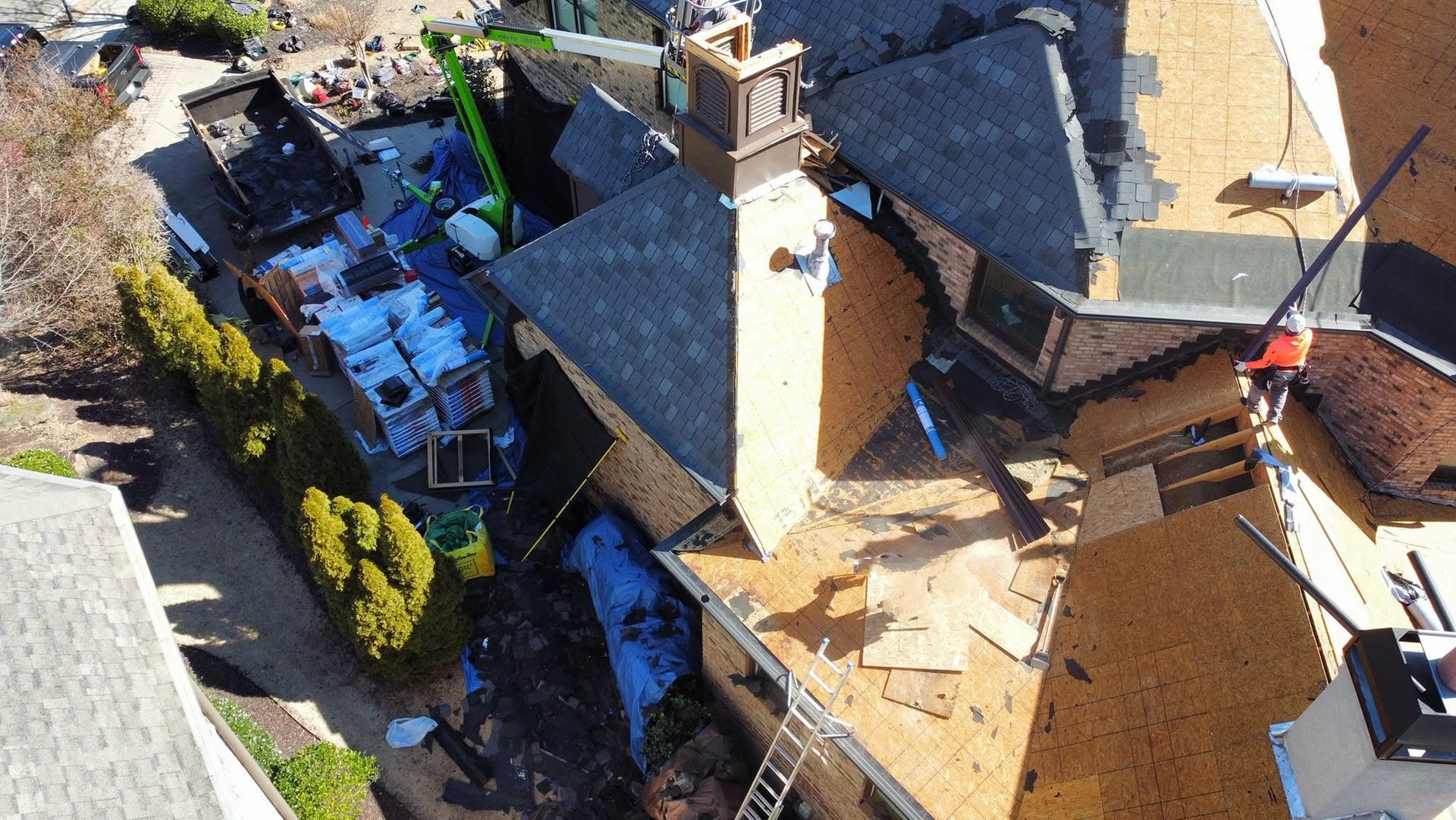
Chimney flashing includes base flashing along the roof surface and counter flashing that attaches to the chimney masonry. Over time, weather exposure and thermal expansion can cause these pieces to separate. When flashing pulls away from the chimney, small gaps may form where water can enter. During spring rains, water may seep through these openings and reach the roof deck below. You may notice water stains on the ceilings near the chimney area. These stains often signal that flashing has loosened or deteriorated.
Cracked Sealant Around Chimney Flashing
Our team will often apply sealant where flashing meets masonry. This sealant helps create a waterproof seal between the chimney and the metal flashing. However, sealant can crack or shrink after years of exposure to sunlight and temperature changes. When sealant fails, water may penetrate the flashing system and enter the roof structure. Inspecting the chimney area during spring maintenance can help identify deteriorating sealant before leaks develop.
Wall Flashing Issues Along Roof Intersections
Some roofs connect directly to vertical exterior walls. These areas often appear where second-story walls extend over lower roof sections or where dormers meet the main roof. We install step flashing along these intersections to protect the joint. Step flashing consists of small metal pieces layered with shingles along the wall.
Missing or Improperly Installed Step Flashing
If step flashing becomes damaged or improperly installed, water can run down the wall and slip beneath the shingles. Since these joints remain partially hidden, you may not immediately notice the issue. Interior warning signs may include peeling paint, water stains along walls, or damp insulation inside the attic. These symptoms often indicate that flashing has failed along a roof-to-wall intersection.
Siding Damage Affecting Flashing
Exterior siding can also influence flashing performance. If siding deteriorates or separates from the wall, water may travel behind it and reach the flashing system. When water bypasses the flashing, it can enter the roof deck and create hidden moisture problems. Regular inspections of siding and roof intersections help ensure the flashing remains protected.
Skylight Flashing Failures
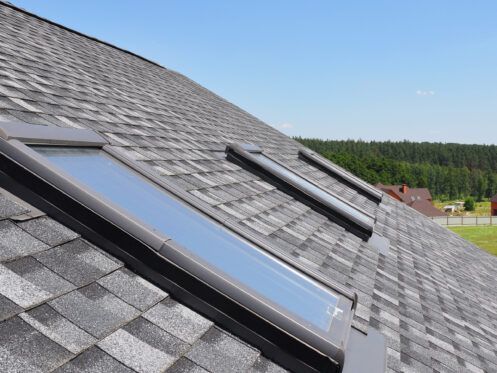
Skylights add natural light to a home, but they also create additional roof penetrations that require careful flashing installation. Skylight flashing systems must protect the edges of the skylight frame where it meets the roof surface.
Water Pooling Around Skylights
Improper flashing can allow water to pool around the edges of a skylight during rainstorms. Standing water increases the chance that moisture will seep beneath roofing materials. You may notice small leaks or damp spots near skylight openings. Water stains on ceilings near skylights often indicate flashing failure rather than a problem with the skylight glass itself.
Rusted or Corroded Flashing
Metal flashing can corrode after years of exposure to moisture and outdoor elements. Rust weakens the metal and may create holes where water can enter. During spring roof inspections, look for signs of rust or discoloration around skylight flashing. Corrosion often signals that the flashing system may require repair or replacement.
Roof Valleys and Flashing Damage
Roof valleys occur where two roof slopes meet and create a channel for water runoff. These areas often handle large volumes of rainwater during storms. Flashing or specialized valley liners protect these channels by directing water safely down the roof. When the valley flashing becomes damaged or clogged with debris, water may overflow the protective barrier. You may notice water stains in attic areas beneath roof valleys. Debris buildup in valleys can also prevent proper drainage and accelerate flashing deterioration.
Interior Signs of Flashing Failure
While flashing problems often begin on the roof exterior, you may notice warning signs inside the home first. Water intrusion may travel along rafters or insulation before becoming visible. Common interior signs of flashing failure include water stains on ceilings, peeling paint near roof penetrations, and damp insulation in the attic. Musty odors may also develop if moisture remains trapped within the roof structure.
Make sure to watch for bubbling drywall or discoloration around
skylights and chimney areas. These symptoms may indicate that flashing no longer directs water away from the roof properly.
Preventing Flashing Problems Before They Cause Leaks
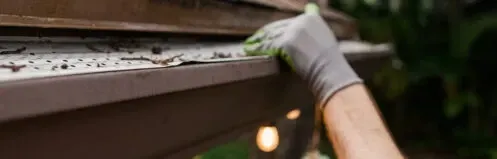
Preventive maintenance remains the best way to avoid flashing-related roof leaks. Make sure that you inspect your roof at least once each year and after major storms. Keeping gutters and roof valleys clear of debris helps water drain properly during rainfall. Removing leaves and branches prevents water from pooling near flashing areas.
Regularly checking chimney sealant and roof intersections can also reveal early signs of deterioration. Small repairs made early often prevent larger and more expensive roofing problems later.
Protect Your Home From Spring Rain Leaks
Flashing is essential for protecting your roof from water intrusion during spring storms. When you understand how to spot early warning signs, we can address these issues before serious leaks develop. At Greater American Roofing, we understand how important having a good roof is in the Alpharetta area, especially during the rainy season. If you’re having flashing issues, contact us today.