Sagging Roofline or Decking
If you allow the snow accumulation to clear naturally, examine the roof as soon as it does. Go across the street for a better vantage. Scan the roofline, and then work your way down, scanning horizontally, left to right and right to left. If you notice any sagging or depressions, you should schedule a roof inspection to examine that potential damage right away.
Clogged Gutters
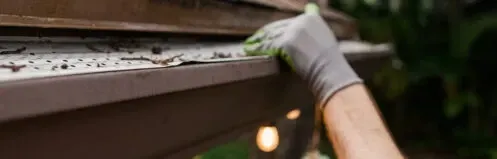
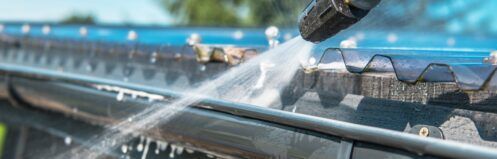
Monitor your gutter system throughout the winter to ensure proper drainage. Any snow and ice in your drains will take care of itself when it melts. The concerns are leaves, dirt, and other debris. Installing gutter guards can help keep your gutters debris-free throughout the winter.
Ice Dams
Clogged gutters, insufficient roof ventilation, and/or poor attic ventilation can lead to ice dams. These dams prevent water due to melting snow and ice from properly draining. As the temperature increases, the trapped moisture may eventually penetrate the roof. Large icicles hanging from your gutters and/or fascias may indicate an ice dam. You may also notice a thick ridge of ice along the roof edge.
Loose or Missing Shingles
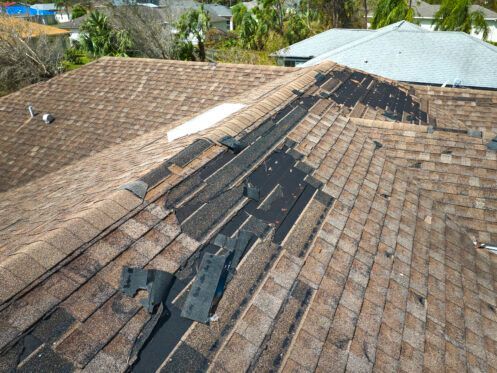
Thermal contraction and expansion can be forceful enough to dislodge entire shingles. You may notice one or several shingles that are loose or missing outright. In these cases, it’s important to schedule a roofer right away, even on an emergency basis. The repair process itself should be relatively minor. Delaying the repair can allow for water intrusion that undermines surrounding shingles and the roof’s underlayment.
Curling Shingles
The thermal shock of temperature swings can weaken shingles. This can be most noticeable along the roof edge, where heavy winds can bend the edge of the shingle up. Those shingles need immediate replacement as well. During storms, the wind will continue to lift the shingles. Rain can get underneath, compromising the shingles, underlayment, and sheathing.
Visible Granule Loss
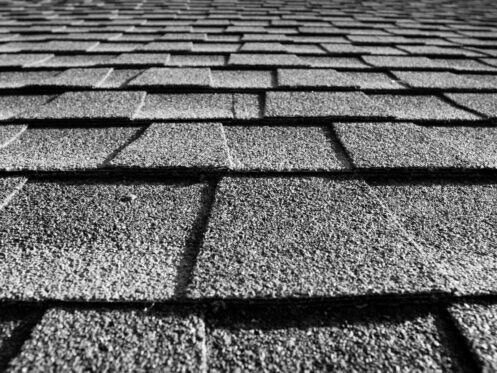
Asphalt shingles, which are the most popular roofing material in the U.S., have granules on the exterior. Those ceramic-coated particles help protect against weather damage and UV deterioration. Light granule loss is all right, but heavy loss indicates a compromised roof. Often, you’ll have to replace the entire roof at that point. This can happen in winter due to high winds, freezing temperatures, and thermal contraction and expansion, including blistering.
Pockmarks
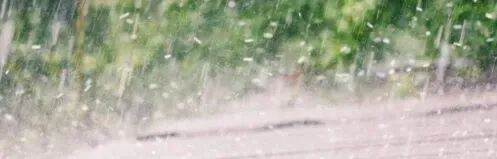
Sharp temperature swings during the winter-spring transitional period can indicate the right conditions for hail. If you experience hail, check your roof as soon as the storm passes. If you notice pockmarks, call a roofer for a professional inspection. Those indentations are actually imperfections in the shingle that can lead to water penetration.
What to Do If You Notice Roofing Damage
Check your roof from the ground at least once a month during the winter. You should also check after cold snaps and any severe storms pass. Schedule an inspection if you notice any of the issues discussed above or anything else that makes you uncertain. Many local roofing companies offer priority services for homeowners who experience winter roof problems.
Wintertime Roof Services for Dawsonville and the Surrounding Areas
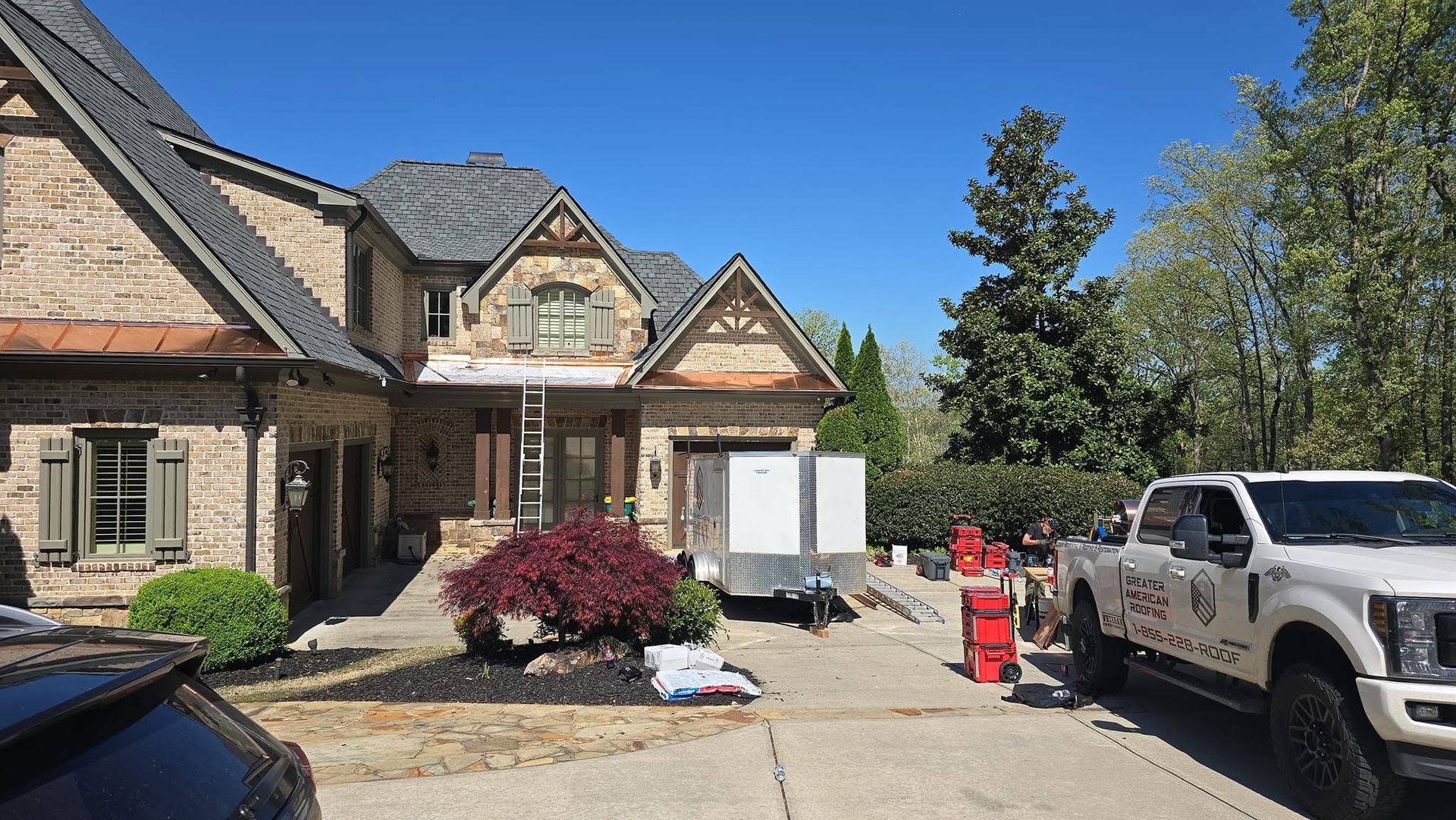
Located in Dawsonville, GA, Greater American Roofing is a veteran-owned and -operated roofing company that’s served this region since 2020. We employ in-house roofing technicians, provide a full range of residential roofing services, and offer no-cost roofing inspections. Our team is available around the clock for emergencies, including
storm damage repair. We also provide
insurance claim assistance for roofing repairs and replacements. To schedule an inspection, call today or book your appointment online.