

Your roof faces sun, wind, rain, and hail first. Because of this, small issues often begin there before you notice any leaks. Loose shingles, lifted flashing, and soft spots around vents might seem minor. But they can lead to serious water damage and structural issues. Insurance companies watch roof conditions closely. It impacts the risk they take on your home. At Greater American Roofing in Alpharetta, GA, we offer documented roof inspections, quick repairs, and honest feedback.
Why Roof Condition Matters to Your Insurance Company

From an insurer’s point of view, your roof is the first shield against leaks, mold, and structural damage. When a roof fails, the damage rarely stays in one place. Water can move along rafters. It can drip into wall cavities and soak insulation. This can damage ceilings and floors. That turns one problem area into a long list of repairs. Insurance companies track roof patterns carefully. This influences how much risk they see in your home.
Regular inspections help keep that risk low. When you find and fix small issues, you reduce the chances of major claims triggered by storms or heavy rain. Some insurers ask about the roof’s age and condition when you start or renew a policy. A recent inspection report helps show the roof’s condition. Clear photos and a maintenance history also show you care about your roof. A good record can lead to better coverage options. It may also help you avoid premium hikes from neglect or repeated water damage claims.
What a Professional Roof Inspection Covers
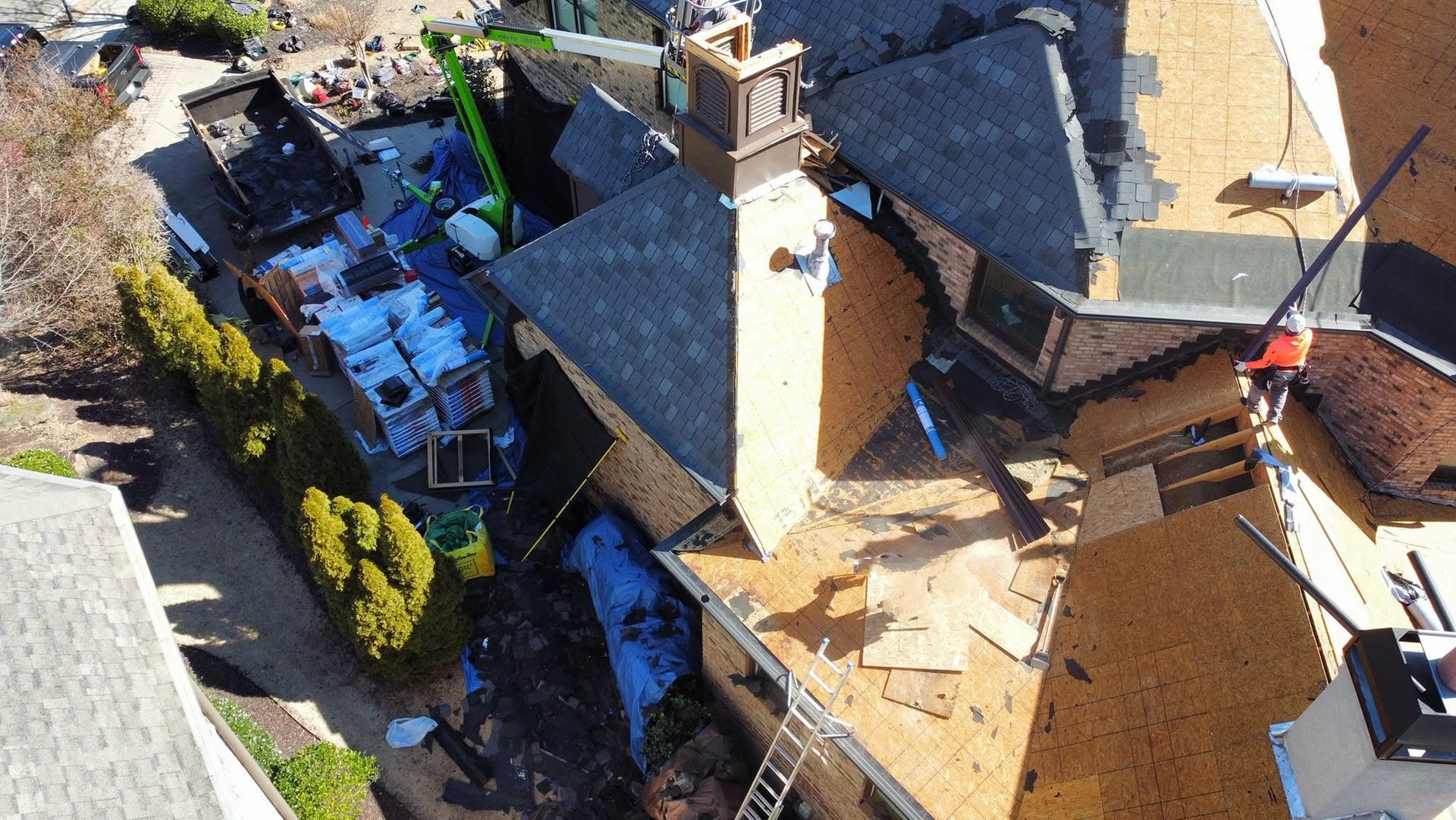
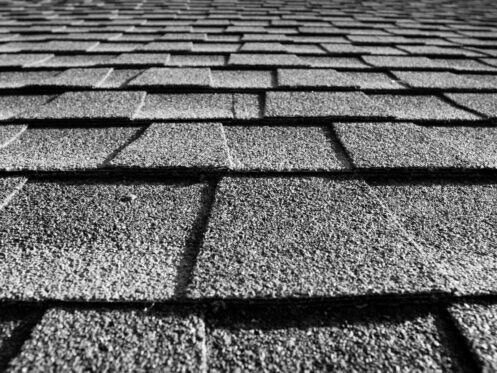
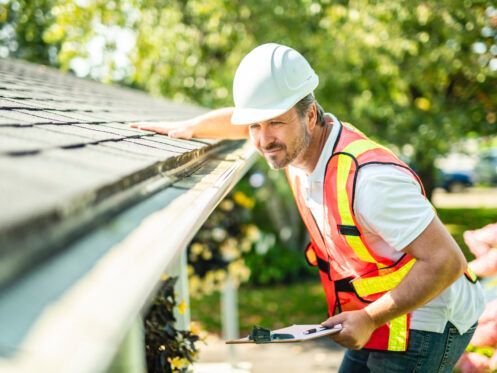
A proper roof inspection goes far beyond a glance from the yard. A roofing pro walks on the surface when it’s safe. They check all reachable areas and note what they find. They look for shingles or roofing materials that are curling or cracking. They also check for missing pieces or granules that have worn away. Flashing around chimneys, skylights, walls, and vents needs close attention. Even a tiny gap can let water in. They also check ridge caps, valleys, and the spots where roof sections meet. These areas often face the most movement and stress.
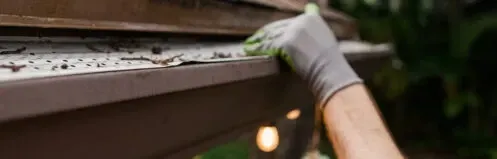
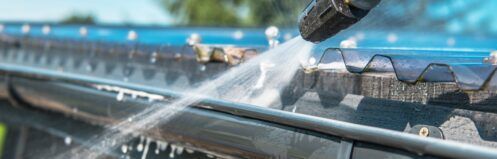
The review doesn’t stop at the outer layer. A thorough inspection includes gutters, downspouts, and the fascia where gutters attach. The inspector can check the attic if it’s safe to enter. They will look for stains on the roof deck, dark streaks, or any daylight coming through. These clues reveal slow leaks that have not reached finished ceilings yet. Seeing both the outside and inside of the roof provides a complete view of its health.
Problems Inspections Catch Before They Grow
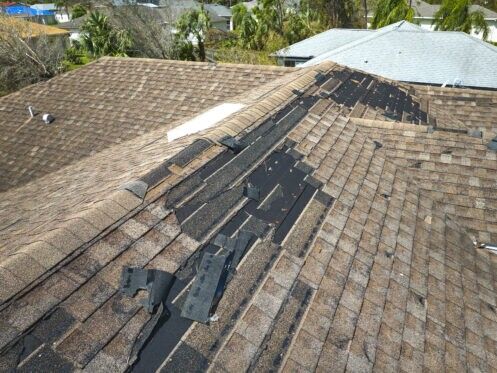
Many roof issues begin as small defects that are easy to miss. A single shingle lifted by the wind, a nail that came loose, or a tiny crack in a vent boot can let water in. At first, moisture might only dampen a small patch of roof decking. With each storm, that patch grows, the wood softens, and fasteners lose grip. Months later, you might spot a stain on the ceiling. You may think it just showed up. But really, the structure has been soaking up water for a while.
Routine inspections break that cycle. A roofer spots tiny gaps in flashing, brittle sealant around vents, and slight sagging. These signs may mean there’s hidden damage. They may notice granule loss in a specific area that lines up with a tree branch or a past hail event. Finding these issues early keeps repairs small. This way, you can avoid filing big claims. You also shield insulation, framing, and interior finishes from costly damage. Fixing these can be much more expensive than repairing the roof.
Why Pros See More Than Homeowners Can
Standing in the yard, you can see only part of the story. Slope, distance, and viewing angle hide important sections from view. Shallow dips, lifted edges, and minor surface damage rarely show up in a quick look from the driveway. A roofing professional knows where trouble tends to start and how it looks up close. They know how materials age and how past repairs react to changing seasons. That experience helps them spot normal wear versus damage needing quick attention.
Safety is another major reason to leave this work to trained people. Roof surfaces can be slick, especially when they still hold fine dust, pollen, or a thin film of moisture. Ladders can shift on uneven ground or soft soil. Roofers use the right ladders, footings, and harness systems. They also know how to navigate different roof pitches. They also know how much weight the structure can handle in specific spots. Trusting a roofing company gives you a clearer view of your roof. You stay safe and avoid the risk of falling.
How Documentation Helps During Insurance Reviews
Insurance companies rely on records. A file of roof inspection reports and dated photos helps track your roof’s condition. Adding repair invoices shows the roof didn’t fail due to long-term neglect. This is important when you report storm damage. An adjuster often needs to separate normal aging from sudden impact or wind damage. Show that a section was sound during the last inspection. If there are new dents, missing shingles, or broken tiles, the claim review tends to go more smoothly.
Documentation also helps at renewal time. Some carriers check homes with drive-by inspections or aerial images. They look for possible roof issues. If questions arise, share your inspection history and recent repairs. This helps you respond with clear facts. You can better explain your roof’s condition. This helps your case when talking about coverage terms. A clear paper trail is more convincing than just saying the roof “seems fine.”
When To Schedule Roof Inspections
The right timing depends on your climate and roof age. A good rule is to inspect your roof at least once a year. Also, check it after major weather events. Many homeowners choose spring or fall when conditions are mild and roofs are clear of snow and ice. A spring visit can reveal damage from winter storms, ice, and high winds. A fall inspection shows that your shingles, flashing, and gutters are in good shape. It also confirms they are ready for the heavy rain and snow that are on the way.
After a bad hailstorm, strong winds, or a tree strike nearby, it’s smart to schedule a focused inspection. This is true even if the roof seems fine from the street. Impact marks, lifted edges, and small punctures can be hard to see at a distance. A roofer knows how to spot subtle signs. For example, bruised shingles feel soft when pressed gently. Also, seal strips may not hold anymore.
Plan for Savings, Not Surprises
Regular roof inspections are a simple habit. They lead to fewer emergencies, easier insurance talks, and a stronger home. Our roofing company can assist with seasonal inspections, repairs, and storm damage assessments. They can also plan for replacements when your roof is nearing its end. Schedule your next roof inspection with Greater American Roofing today. It’s a way to protect your home and may save you on insurance costs.
Meet the Author

Crystal Watterson
Chief Financial Officer
As a part of the Greater American Roofing family, I love starting each day with our team. I take pride in knowing that our team has the same goal of providing families with the most high-quality, roofing system in the industry.