


Winter in Georgia often brings cold rain, quick temperature swings, and the occasional overnight freeze that can push a tired roof past its limit. Small issues near flashing, vents, and gutters can turn into stains on ceilings and surprise drips in the middle of a storm. At Greater American Roofing, in Alpharetta, GA, we help you spot weak points early so your roof is ready before the next chilly front moves in.
How Winter Weather Stresses Georgia Roofs

Winter in Georgia brings long stretches of cold rain with a few sharp freezes mixed in. That pattern might feel mild compared with snowier states, but it can be rough on a roof. Repeated soaking and drying can weaken shingles, wear away protective granules, and expose small gaps you do not notice from the ground. When a quick freeze follows a heavy rain, water that sits near valleys or along the eaves can expand as it turns to ice and push into tiny cracks in sealant or flashing.
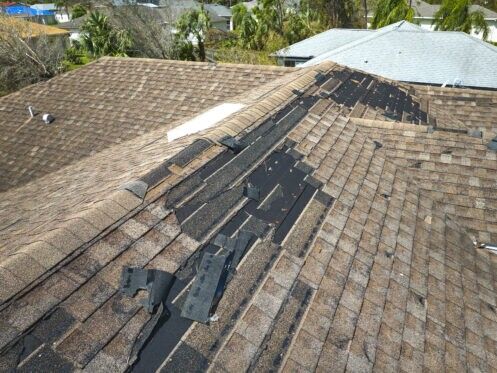
Wind makes that cycle harder to manage. Gusts during winter fronts can lift shingles that were already a little loose from summer heat. Once the wind opens that edge, rain has an easier path under the surface. Water might not leak straight into a room right away. It can travel along sheathing or rafters until it finds an easier exit point, which is why a stain on a hallway ceiling sometimes traces back to a vent or valley several feet away. Winter maintenance focuses on tracing those paths and catching weak spots while damage is still limited.
Why Gutters and Downspouts Matter During Winter
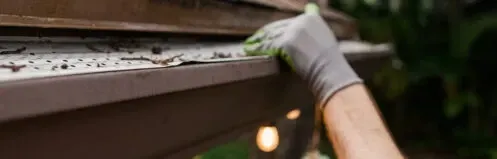
Gutters may not seem like a winter project, but they play a major role when temperatures drop. In Georgia, though, leftover leaves, pine needles, and shingle grit can gather in low points and create small dams just when you need open channels the most. When a cold rain hits a clogged gutter, water spills over the front edge and runs down siding, fascia, and window trim. On colder nights, that water can freeze near the roof edge or on walkways, turning a drainage issue into both a leak risk and a slipping hazard.
Water that backs up in the gutter can also work its way under the first row of shingles. Even a shallow pool at the edge creates more contact with the roof deck than the system was designed to handle. That extra moisture can soften wood near the eaves and invite rot. Taking time during winter to confirm that gutters hang straight and downspouts are connected properly is important. For taller homes or systems with existing damage, you are better off having a roofing or gutter crew handle cleaning and repairs so the work stays safe and thorough.
Spotting Early Signs of Moisture Around the Roof
Winter roof maintenance is not only about what happens on the surface of the roof. It also includes how the house looks and feels inside. Small water stains on ceilings, especially near exterior walls, are sometimes the first hint that cold rain is finding a way in. Bubbling or peeling paint can signal moisture behind the wall. A faint musty smell in an upstairs closet or hallway after a long storm can point to damp insulation above.
Outside, you can walk the yard on a clear day and look up at the roofline. Dark streaks or patches that stay wet longer than the surrounding area can mark spots where water collects or drains poorly. Shingles that look warped, cracked, or out of line with their neighbors deserve attention, as does metal flashing that appears lifted or rusted. You do not need to climb a ladder to make notes.
Protecting Flashing, Valleys, and Roof Penetrations
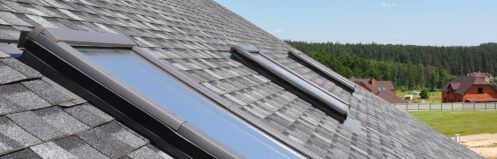
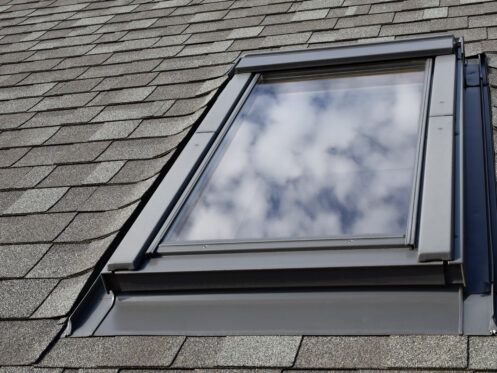
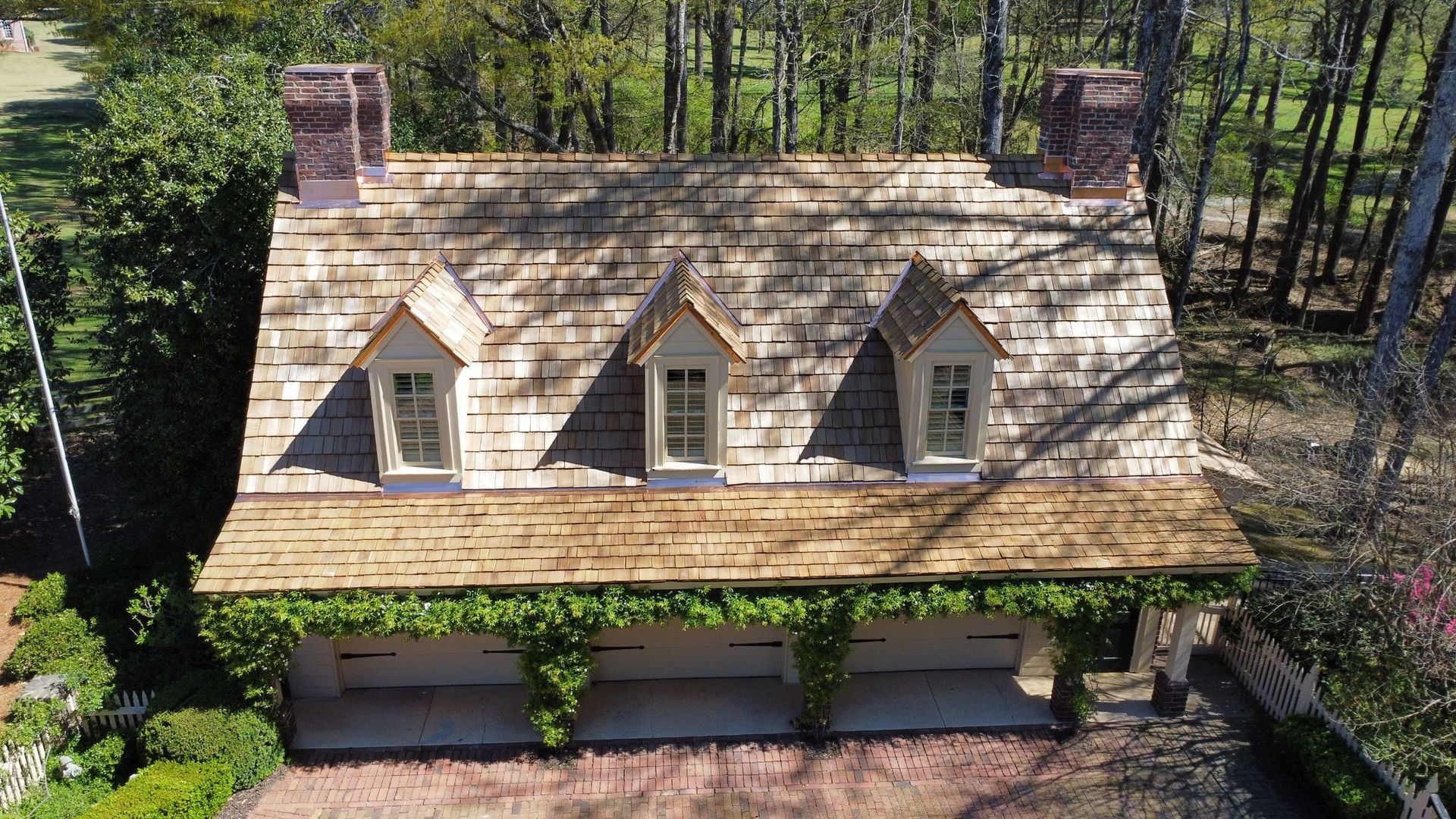
Many winter leaks start around the details rather than the wide open field of shingles. Flashing around chimneys, sidewalls, vents, and skylights is meant to steer water away from seams. When the sealant dries out, the metal lifts, or the fasteners come loose, water can slip behind that barrier. In a cold winter rain, the volume of water coming down valleys and around these features increases, which means small gaps see more flow than they did in lighter fall showers.
Valleys deserve special attention because they collect runoff from more than one roof plane. Any shingle damage, nail exposure, or flashing defect in that channel gives water an easy route under the surface. Roof penetrations near the ridge, such as plumbing vents or exhaust fans, also matter. The boots and collars that seal those openings age with the sun and temperature swings. Once cracks appear, winter rain can enter and travel along the pipe or framing. A roofing professional can lift surrounding shingles, repair or replace flashing, and reseal joints in a way that restores proper water flow.
Preparing Attic Spaces to Support Winter Roof Health
The space just under your roof plays a role in winter maintenance. Attic temperatures and humidity influence how the roof system handles cold rain and light freezes. When warm indoor air leaks into the attic around can lights, access hatches, or gaps in framing, it can create warm patches under the roof deck. Those areas melt frost and light snow faster than the surrounding surface, which sends more water toward cooler eaves where it can collect and refreeze.
Good insulation coverage on the attic floor helps limit that upward heat movement, while clear ventilation routes give moisture a path out. Vents blocked by stored boxes or misaligned insulation keep air from moving freely, which encourages condensation on the underside of the roof deck. During winter maintenance, an attic check can reveal thin insulation near eaves, dark spots from past moisture, and blocked vents that need adjustment. Work that involves adding insulation, sealing air leaks, or altering ventilation should be planned and carried out by qualified crews so electrical wiring, bath fans, and other components remain safe and up to code.
Planning Professional Roof Maintenance Before the Next Storm
Winter roof care in Georgia works best when you treat it as a planned project instead of reacting to leaks as they show up. A professional visit during the cooler months allows a roofer to walk the roof, check flashing and valleys, test soft spots in the decking, and look into areas you cannot see from the ground. They can also review the condition of ridge caps, inspect nail patterns on repairs completed in past years, and make sure sealants and fasteners still do their job after hot summers and wet winters.
From that visit, you gain a clear picture of which issues need attention soon and which can be monitored. Common winter repairs include replacing damaged shingles, resealing flashing, tightening or replacing gutter hangers, and upgrading vent details that have not kept up with current standards. All of this work supports the same goal, which is to keep water moving off the roof and away from the structure in every kind of winter weather.
Give Your Roof a Winter-Ready Game Plan
Cold rain and light freezes do not have to catch your roof off guard. Regular inspections, timely leak repairs, shingle replacement, and healthy gutters all work together to keep water moving in the right direction. Our team at Greater American Roofing can walk your roof, check trouble spots, and handle the repairs that keep winter storms from finding their way inside. If you are ready to line up your winter roof maintenance, call Greater American Roofing today.
Meet the Author

Crystal Watterson
Chief Financial Officer
As a part of the Greater American Roofing family, I love starting each day with our team. I take pride in knowing that our team has the same goal of providing families with the most high-quality, roofing system in the industry.