usually fall somewhere in between. Flat roofs, commonly found on modern or commercial-style homes, typically last 15 to 20 years, depending on the membrane type and the quality of installation.
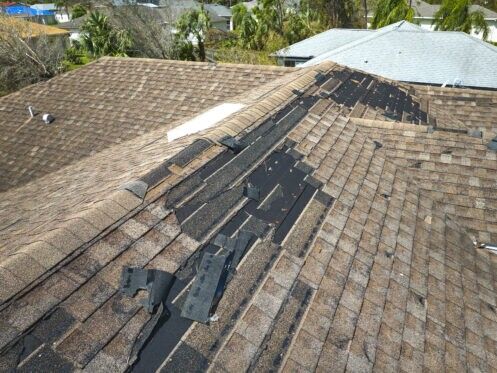
Several factors influence the lifespan of any roof. Exposure to harsh sunlight, heavy rain, and wind can speed up wear on your roof. However, proper ventilation and attic maintenance can extend it. Routine inspections, ideally once a year, allow you to catch minor issues, like loose shingles, small leaks, or deteriorating flashing, before they escalate into major problems.
Preparing for a Roof Replacement
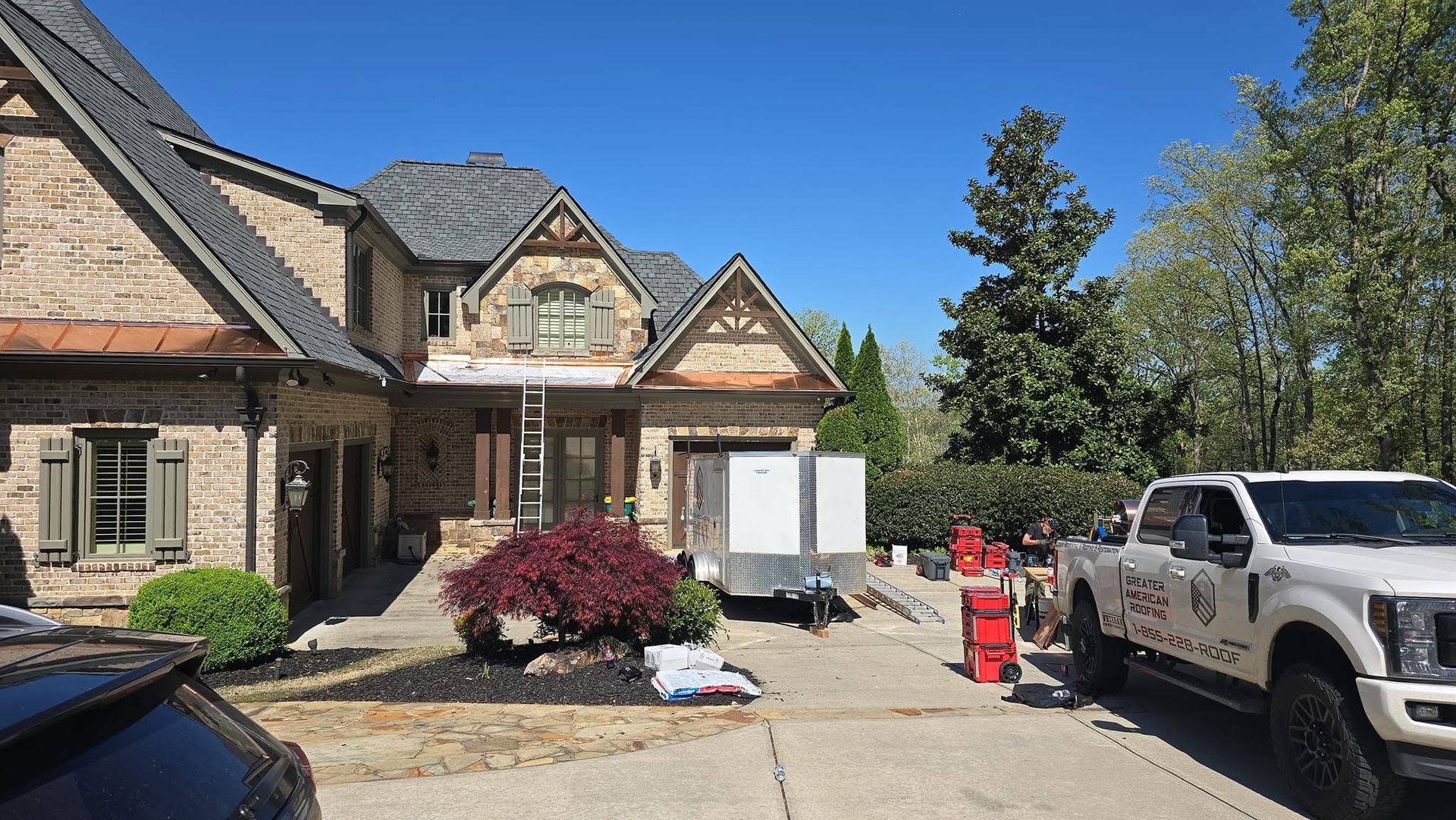
Roof replacement does not happen overnight. Planning begins well before the first tear-off. Our team will begin by inspecting your existing roof. This will help us identify any damage or weak areas. We assess the roof’s structure, underlayment, and decking to determine whether additional repairs or reinforcements are necessary. This evaluation informs the project scope, timeline, and cost estimate.
Scheduling also plays an important part in your
roof replacement. Weather can delay projects, so plan replacements during a mild season to avoid peak rain or heat. Choosing the right roofing material further influences preparation. Asphalt shingles require fewer steps to remove and install. That said, tile, metal, and composite systems may involve additional labor for underlayment and specialized fasteners. Flat roofs demand careful preparation to ensure proper drainage and prevent future leaks.
Roof Replacement Timeline: Step by Step
While each roof project is different, you can expect a multi-step process that spans several days to a few weeks. The timeline will change based on the size of the roof and the materials that you decide upon.
Day 1-2: Tear-Off and Deck Inspection
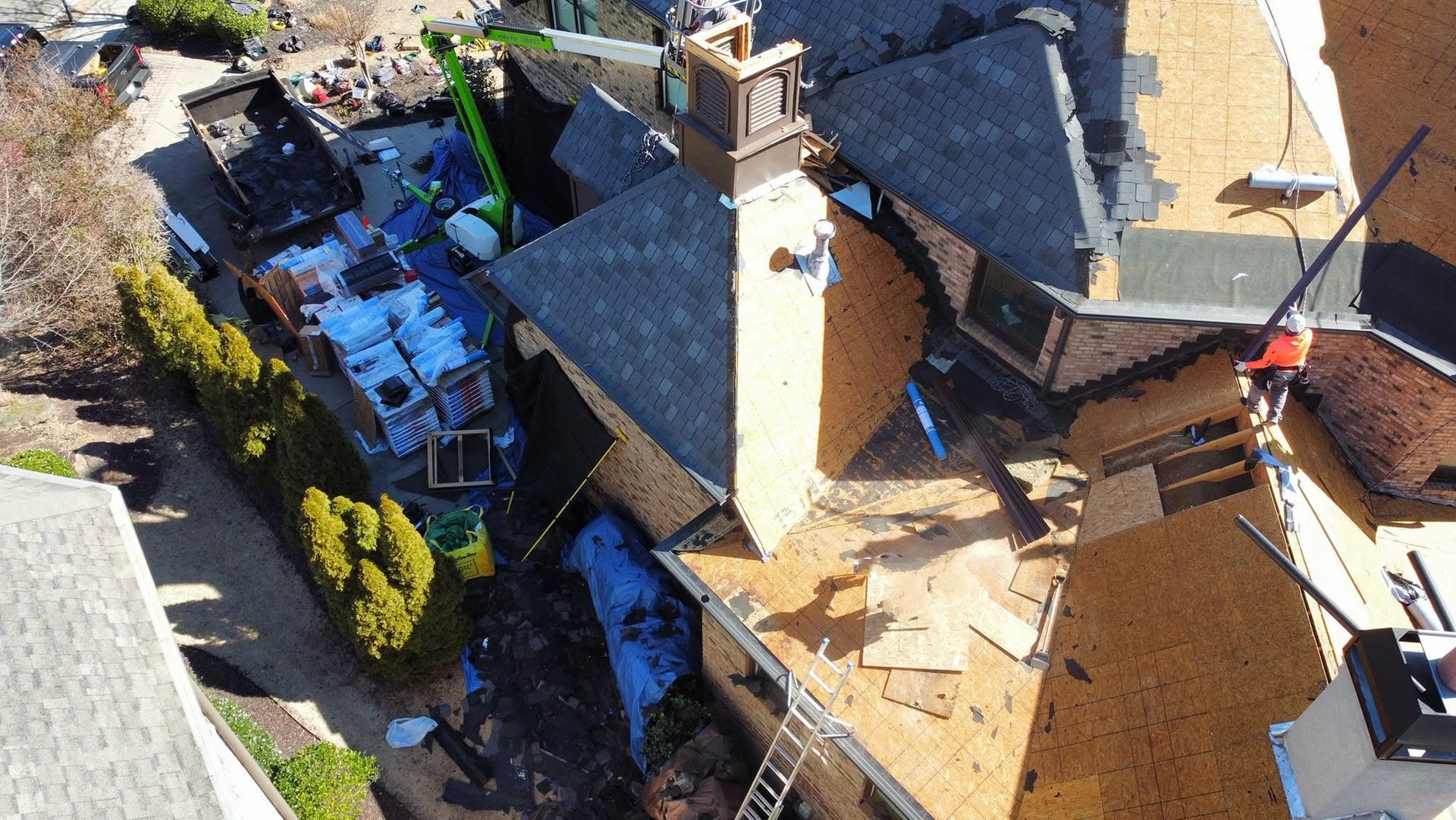
The first stage is to remove the existing roofing material. For asphalt shingles, this process is relatively straightforward and usually completed within a day for an average-sized home. Tile roofs take longer because we need to remove tiles individually and stack them for recycling or disposal. Metal panels require careful disassembly and handling to prevent damage. Flat roofs, which may use built-up tar, EPDM, or TPO membranes, often require peeling off old layers, which can be time-consuming.
After we clear the surface of the roof, we will inspect the decking. We will repair any water damage or structural weakness before we start installing the new materials. This is important for the longevity of your new roof. It also prevents sagging and leaks down the line.
Day 2-4: Underlayment and Flashing Installation
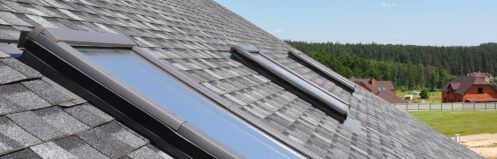
Next, we will install underlayment and flashing. This acts as a barrier between your roof deck and the final roofing material, providing additional waterproofing. Flashing, typically metal, seals roof edges, valleys, chimneys, and vents, directing water away from vulnerable areas.
Asphalt shingles generally allow quick installation over standard felt or synthetic underlayment. Metal and composite roofs may need specialized underlayments that have more weight, while tile roofs often need waterproof membranes to prevent leaks. Flat roofs may use multiple layers of roofing membrane, and each layer requires careful adhesion and curing.
Day 4-7: Installing New Roofing Material
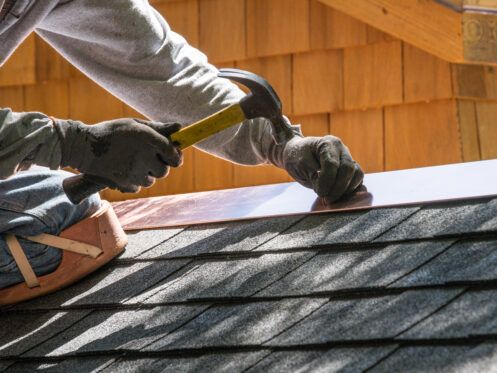
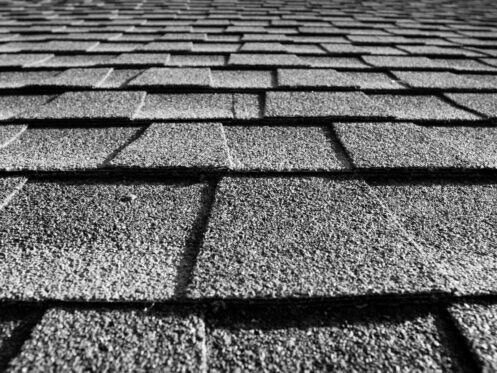
The installation of your chosen material is the most visible phase. Installers place asphalt shingles in overlapping rows. This usually takes one to two days to complete. Metal roofs require alignment and fastening of panels that are precise, which can extend installation to several days. Tile roofing involves careful placement of each tile and securing them to the underlayment, a process that can take several days for a standard residential roof. The installation of composite shingles or synthetic slate is similar to asphalt but often requires additional time for specialized fastening or sealing.
Flat roof systems vary by type. Crews apply and cure multiple layers of asphalt and fabric for built-up roofs. They roll out, adhere to, and seal EPDM membranes while heat-welding the seams on TPO membranes.
Day 7-10: Final Inspection and Cleanup
After the installation is complete, our team will perform a final
roof inspection
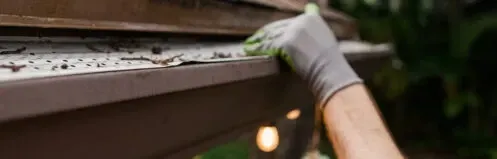
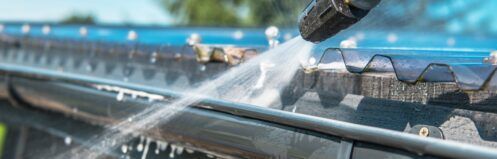
to make sure that everything is properly aligned and that your roof has adequate waterproofing. Our team will check the flashings, vents, and other penetrations, confirming that everything meets manufacturer and local building standards. Once verified, we will remove all of the debris on the roof as well as in your yard and clean the gutters.
Factors That Can Shorten or Extend Replacement Time
There are a number of variables that can impact the timeline. Roof size, pitch, and complexity affect labor time; steep or multi-level roofs take longer to install safely. Weather delays, especially heavy rain or extreme heat, can add several days to the project. The availability of materials for your roof is another important consideration that you need to make. Custom tiles or composite shingles may require special orders, while standard asphalt shingles are often in stock. Structural surprises, like hidden water damage, rotted decking, or inadequate ventilation, can also extend the project since we will need to address these issues.
Choosing the Right Material for Your Replacement
Material choice affects lifespan and installation time. Asphalt shingles are an affordable option that often come with quick installation. However, it tends to have a shorter. Metal roofs provide durability and resistance to extreme weather. They also come with higher upfront costs and potentially longer installation times. Composite and synthetic materials will work well, combining aesthetics with durability. Tile roofs have a long lifespan, but they often require specialized installation and structural support. Flat roofs offer flexibility but may require more frequent maintenance.
Maintaining Your Roof After Replacement
Once your new roof is in place, maintaining it helps to make sure that you get the full lifespan out of your investment. Make sure to schedule annual inspections to identify and address minor problems with your roof before they have the chance to escalate. When you clean your gutters regularly, it will prevent water backup and monitor attic ventilation to avoid moisture buildup. For tile and metal roofs, make sure to occasionally check for loose components or corrosion to prevent long-term damage. Even asphalt shingles benefit from routine inspections for missing or damaged shingles, especially after storms.
Contact Greater American Roofing for Roof Replacement Services
Replacing the roof of your home is an extensive process. However, when you understand the timeline and the factors that can affect the installation, it will help to make the process much smoother. At Greater American Roofing, our team has years of experience providing roof replacements for Alpharetta residents. Call us today to book an inspection or discuss your roof replacement project with our team.